Lab Tools
Picking the right tool usually comes down to two things: what you are handling, and how hot it is. The families below cover most of what a working bench needs, and the differences between them matter more than they look. A tool used on the wrong vessel is the usual reason something cracks, melts or gets dropped.
Tongs
Tongs let you move a hot vessel without touching it, and the right pair depends on the vessel rather than on the heat alone.
The primary difference between beaker tongs and crucible tongs is grip. Beaker tongs let you move a hot beaker without it slipping out from between the jaws. Metal on glass slips.
Beaker tongs are shaped to the curve of a beaker wall. Ours are nickel plated over a quarter inch steel rod, ten inches long, with plastisol coated jaws, and the span fits beakers from 50 to 1500 mL. The coated jaws spread contact across the beaker wall instead of concentrating pressure on one point, which is what cracks glass. Use them to lift a hot beaker off a hot plate, out of a water bath, or away from a burner without setting it down first.
Plastisol coated beaker tongs are intended for handling beakers, not hot crucibles. The plastisol coating melts between 320 and 350 degrees F, so a crucible straight out of a furnace will destroy it. Use tongs intended for the vessel and heating application.
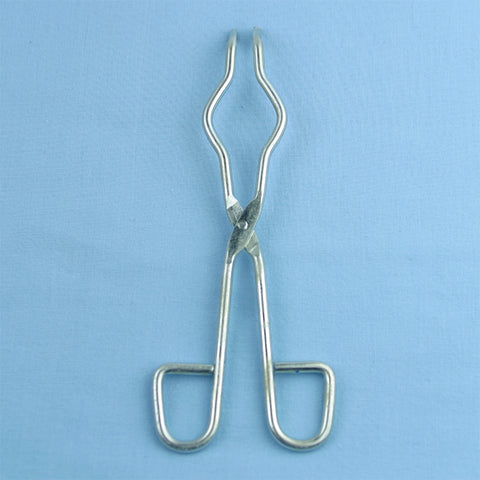
Crucible tongs are all metal with no coating, for lifting crucibles in and out of a furnace or off a clay triangle. We carry three, and they are not interchangeable. The Crucible Tongs 10" and the Crucible Tongs 10" Stainless Steel both suit open flame heating and shallow ovens. The stainless model is surgical grade and can be autoclaved, with serrated jaws for a better grip, and many professionals use it for removing sterilized instruments from an autoclave. The Julian Style Crucible Tongs run 22 inches on nickel plated heavy gauge steel wire, with curved ends and a compressing guide, and are better adapted to deep ovens and furnaces.
Scoops, spoons and spatulas
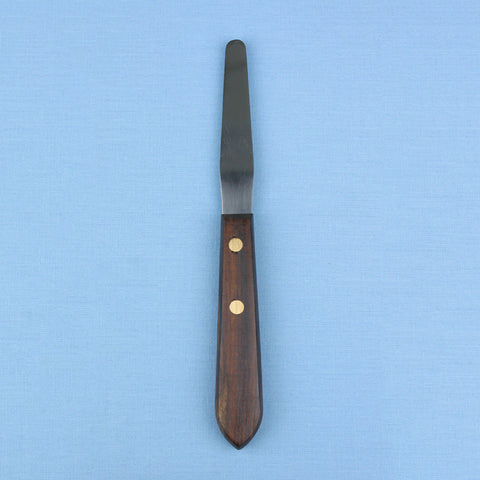
A scoopula moves powder from a container into a weighing boat or a flask without spilling it down the side. A spatula is flatter, and better for scraping a residue loose or moving a small amount precisely. Most benches want both, and the choice between them is about the shape of the job rather than the size of it.
Stirring rods
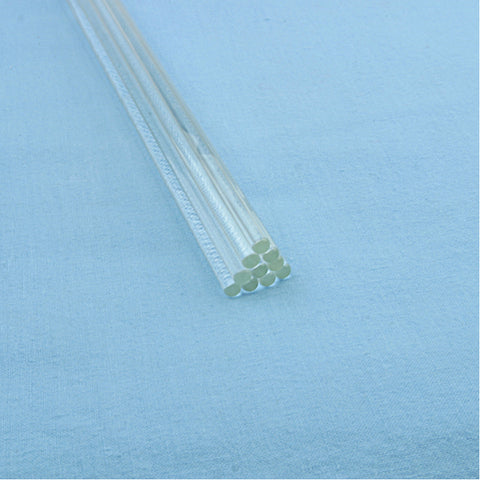
A glass rod stirs a solution and guides liquid cleanly off the lip when you pour. Glass is used because it will not react with most of what you put it into and will not scratch the inside of the vessel the way a metal tool can. It is not a scraping tool, and using one that way is how rods snap.
Brushes
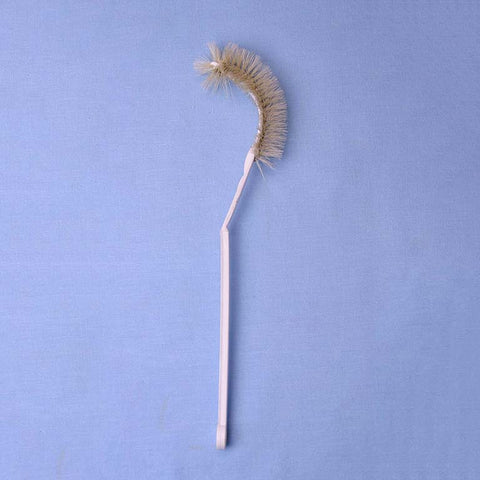
Brushes clean glassware without scratching it, which is the whole point of using one instead of anything abrasive. Size the brush to the vessel so the bristles reach the bottom and the sides while the metal ferrule stays clear of the glass.
Aprons
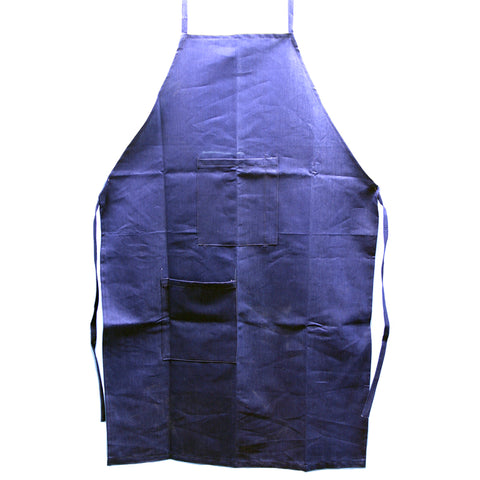
An apron is worth wearing any time you are pouring acids, working over a flame, or handling something you would rather not have on your clothes. It is the cheapest protective item on a bench and the one most often skipped.
Dissection sets
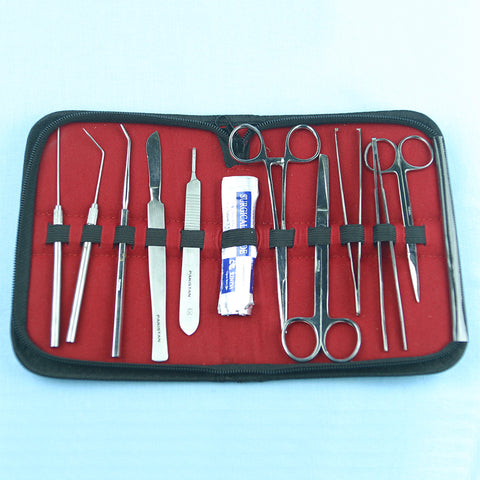
A dissection set gathers the instruments one procedure needs into a single case, typically a scalpel, scissors, forceps, probes and pins. Most buyers are teaching labs equipping a bench or replacing a whole set at once rather than chasing a single instrument.
Tool Sets
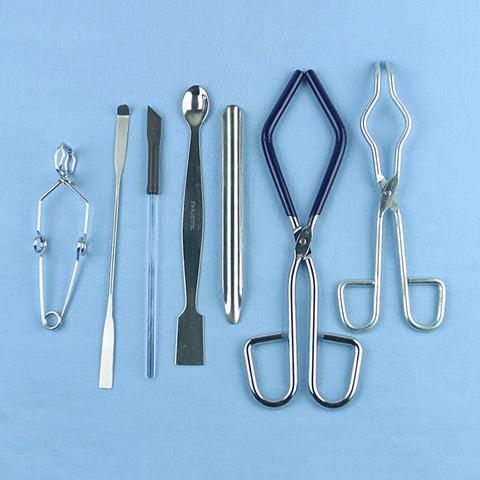
Tool sets bundle the everyday handling tools rather than specialist instruments. They are the practical way to set a bench up from scratch, or to bring a second bench to the same standard as the first without ordering item by item.
Where to go deeper
Our reference guides go further on individual tools and techniques. Browse the categories below to see what we stock.